
The Highlands Ranch & Greater Denver Metro Plumbing Journal
By Bravo Initiative, LLC
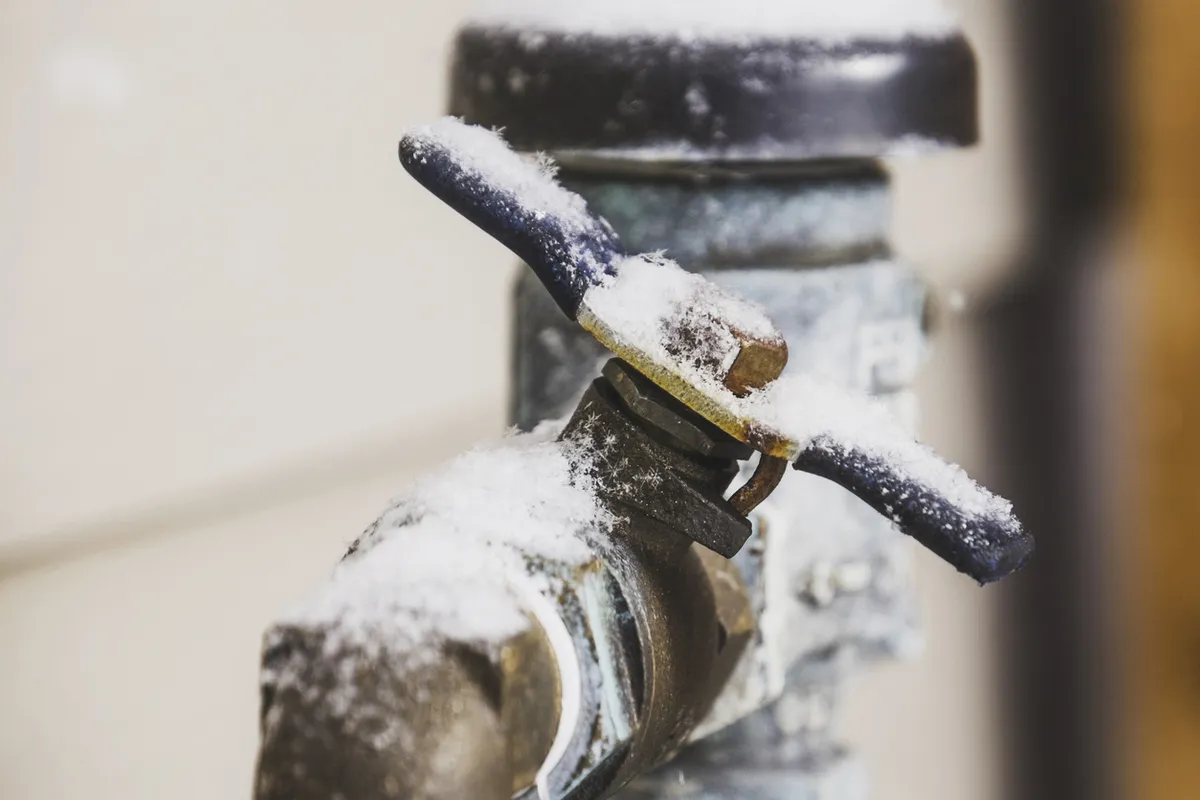
Plumbing Checklist: Get Your Home Ready for Colder Weather
By Les, Owner, Bravo Initiative LLC
What I Walked Into
Earlier this month, I got a call from a homeowner in the Denver Metro Area who wanted me to look over a few plumbing concerns before colder weather settled in.
Nothing had completely stopped working. They had an outdoor faucet that had been dripping occasionally, a shut-off valve in the basement that was getting harder to turn, and they weren't sure whether the plumbing around an unfinished section of the basement was ready for another winter.
When I got there, we walked around the house together and talked about what they had noticed over the past few months.
This is actually a good time of year to do that. By October, outdoor water use starts slowing down and homeowners are beginning to think about colder nights. Small plumbing issues that weren't a big concern during summer can become much more important once temperatures start dropping.
The homeowner wasn't looking for a major repair. They simply wanted to know what needed attention now and what could wait.
The Problem
I started outside because that's one of the first areas I like to check before colder weather.
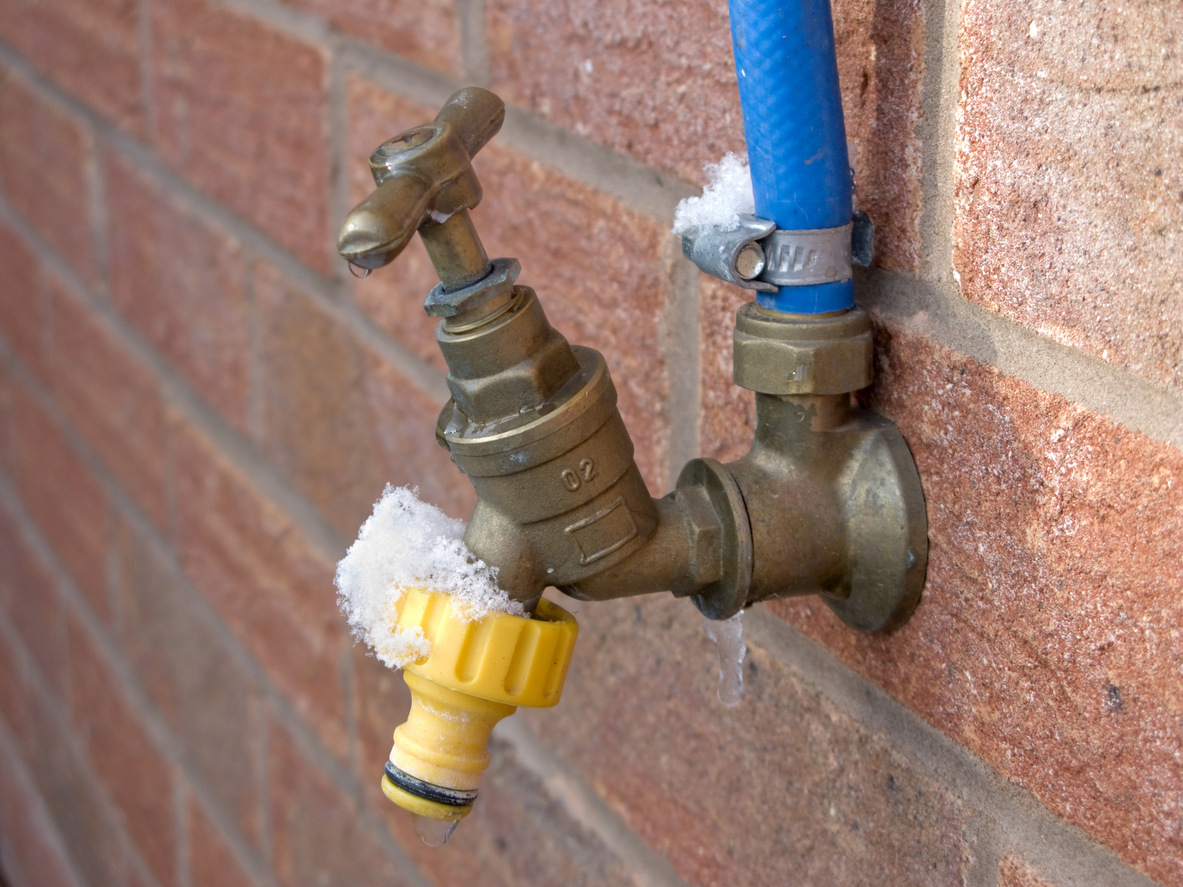
The outdoor faucet the homeowner mentioned had a slow drip after it was turned off. It wasn't much water, but a faucet that doesn't shut off properly is something I don't like leaving alone heading into colder temperatures.
I also checked the hose connections around the house. One garden hose was still attached to an outdoor faucet. That's an easy thing to forget after summer, but I always recommend disconnecting hoses before freezing weather arrives.
Inside the basement, I checked the exposed plumbing and the shut-off valve the homeowner had mentioned. The valve was stiff and showing its age. It still worked, but if there were ever a leak, I wouldn't want the homeowner discovering during an emergency that the valve was difficult to close.
None of these were emergency repairs.
That's really the point of an October plumbing check. You're looking for the small things while there's still time to deal with them instead of finding out about them during the first stretch of freezing weather.
The Process
I started with the outdoor faucet and repaired the worn components that were preventing it from shutting off completely. Once that was done, I tested it several times to make sure the dripping had stopped.
We disconnected the remaining garden hose, and I walked the homeowner through which outdoor fixtures they should keep an eye on as temperatures start dropping.
Inside, I worked on the stiff shut-off valve so the homeowner wouldn't have to fight with it if they ever needed to turn the water off quickly.
From there, I checked the accessible plumbing in the colder areas of the home. Pipes near exterior walls, garages, crawl spaces, and unfinished basements are the ones I pay closer attention to because they're more exposed to changes in temperature.
Before wrapping up, I checked the water heater area for visible leaks or corrosion and made sure there weren't any other obvious plumbing problems that needed immediate attention.
Most of what we did that day was simple. But heading into colder weather, simple maintenance can make a big difference.
The Outcome
By the time I finished, there wasn't one dramatic repair to point to. Instead, we had taken care of several small things that could have caused problems later.
The outdoor faucet stopped dripping, the garden hose was disconnected, the shut-off valve was working properly, and the small leak under the utility sink was taken care of before it damaged anything around it.
The homeowner also knew which areas of the house to pay attention to once temperatures started dropping.
The homeowner told me they felt much better going into the colder months knowing the basic plumbing around the house had been checked and the little problems weren't being carried into winter.
DIY Advice
Before I left, I gave the homeowner a simple October plumbing checklist they could use each year:
1. Disconnect garden hoses from outdoor faucets once you're finished using them regularly. Leaving a hose connected can trap water where you don't want it when temperatures drop.
2. Check outdoor faucets for drips or leaks. If a faucet continues dripping after it's turned off, it's better to deal with it before freezing weather arrives.
3. Know where your main water shut-off is and make sure you can actually operate it. You don't want to figure that out for the first time during a plumbing emergency.
4. Look underneath sinks and around visible pipes for moisture, corrosion, or small leaks. A problem that's easy to fix now can cause much more damage if it's ignored.
5. Pay attention to plumbing in colder parts of the house. Pipes near exterior walls, garages, crawl spaces, and unfinished basements may need extra attention as temperatures fall.
The homeowner told me they were going to make these checks part of their fall routine instead of waiting until the first really cold week to think about the plumbing.
Professional Insight
October is a good time for homeowners around the Denver Metro Area to take a closer look at their plumbing because there's usually still time to deal with small problems before winter weather becomes a factor.
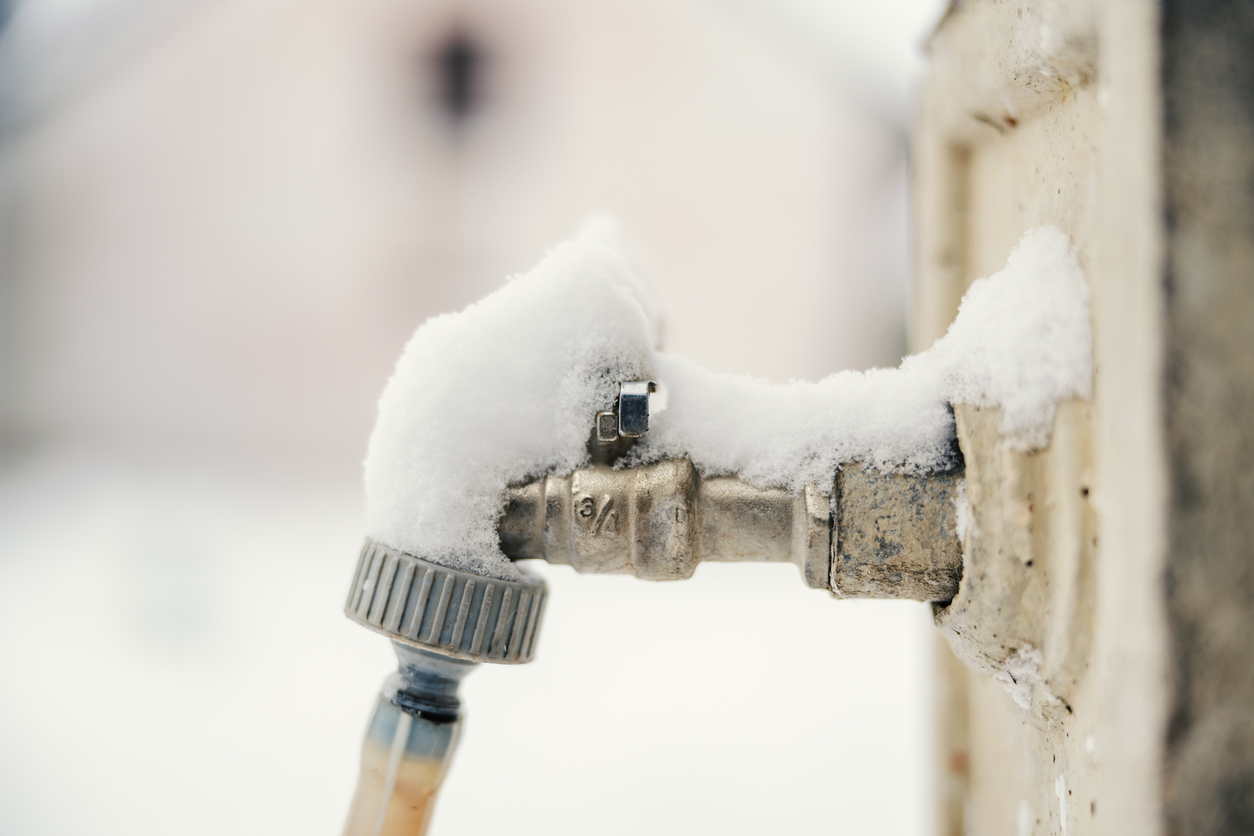
I pay particular attention to outdoor faucets, shut-off valves, exposed plumbing, small leaks, and areas of the home that stay colder than the main living space.
A faucet that's already leaking, a valve that barely moves, or a pipe connection that's starting to show moisture is worth addressing before colder weather puts additional stress on the plumbing system.
A little preparation in October is usually much easier than dealing with a plumbing problem on a freezing morning.
Closing
Most homeowners don't think much about their plumbing when everything is working normally, and that's understandable.
But October gives us a good window to check the basics before colder weather arrives in the Denver Metro Area.
Disconnect the hoses, check the outdoor faucets, find your main shut-off, look for small leaks, and pay attention to pipes in colder areas of the house.
Those few checks don't take long, but they can help you catch something that would be much harder to deal with in the middle of winter.
If you're in the Denver Metro Area and you're not sure whether your plumbing is ready for colder weather, I'm always happy to take a look and help you figure out what needs attention.
– Les
[https://www.bravoplumbinglittleton.com/specializedplumbingservices]

Schedule a Professional Inspection
Ready to schedule a professional inspection? Contact us today.

Have a question? Give us a call
We are happy to answer any questions you have :)
250 E Highlands Ranch Pkwy, Highlands Ranch, CO 80126, United States
720-740-6737
Master Plumbing License - MP.03000238
Contractor License - PC.0004060
