
The Highlands Ranch & Greater Denver Metro Plumbing Journal
By Bravo Initiative, LLC
April – Sump Pump Service – A Recent Job & Some Homeowner Tips
By Les, Owner, Bravo Initiative LLC
What I Walked Into
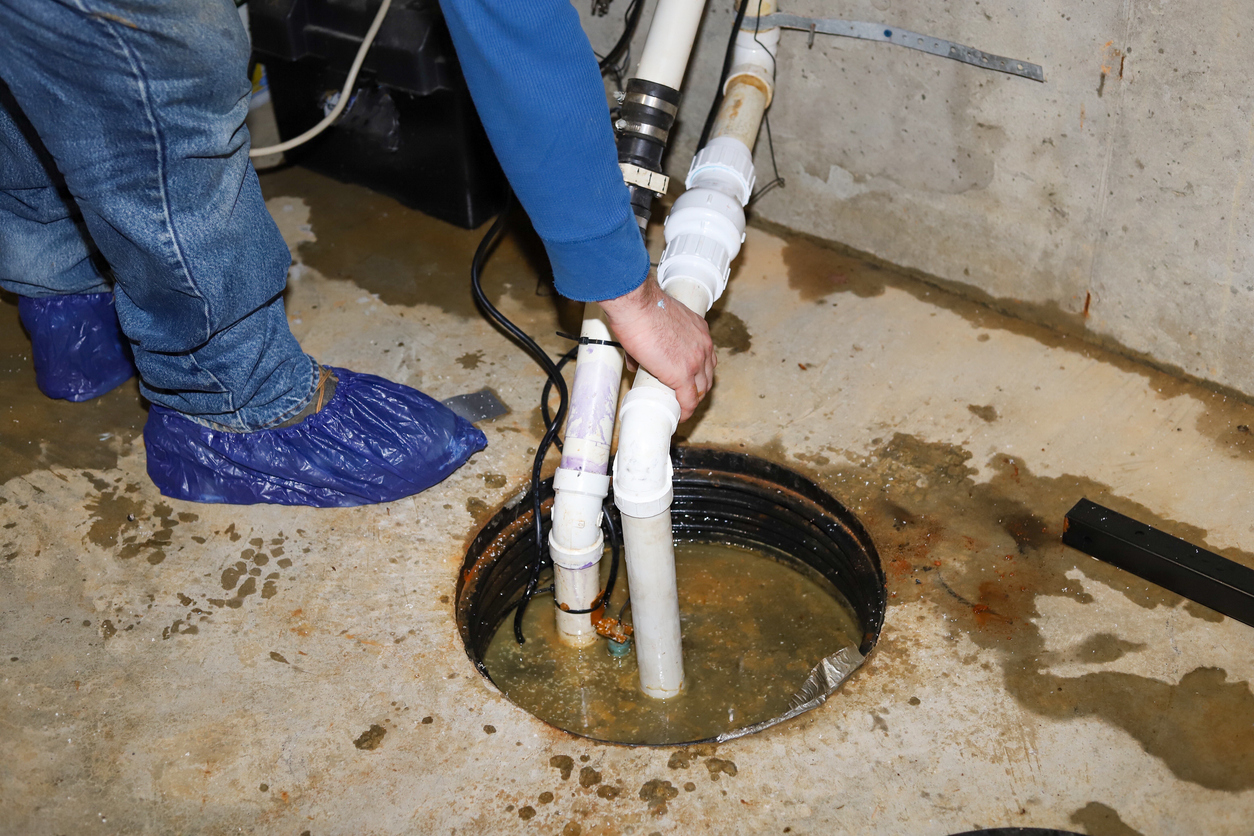
Earlier this month, I got a call from a homeowner in the Denver Metro Area who noticed water starting to collect along one side of their basement wall after a heavy rain. It wasn’t flooding, but there was enough moisture to make them uneasy. They said their sump pump hadn’t made a sound, which is what caught their attention.
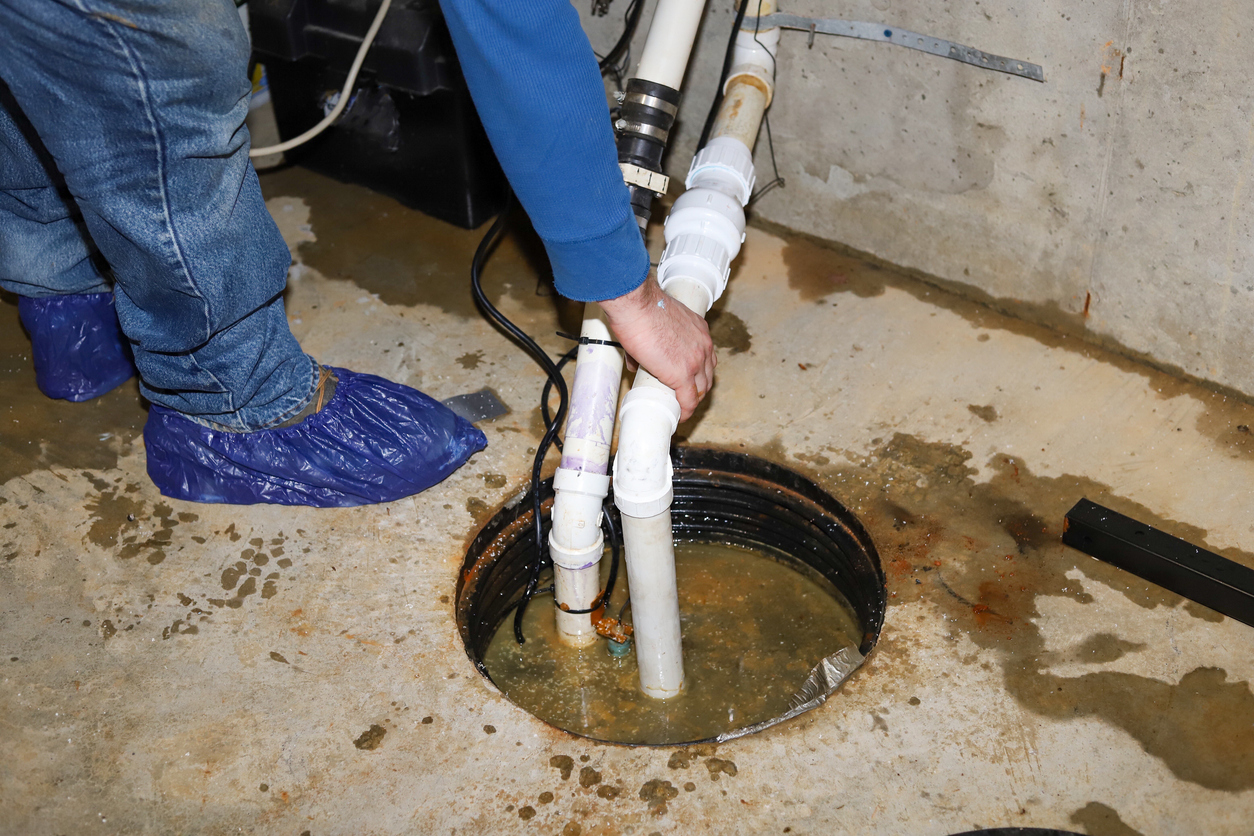
When I got there, the home looked fine overall. It was a finished basement, clean and well maintained. But when we checked the sump pit, it was holding water and the pump hadn’t kicked on at all. That’s usually a sign something isn’t working the way it should.
The Problem
Once I took a closer look, the issue became pretty clear. The sump pump had power, but it wasn’t activating when the water level rose. The float switch — which tells the pump when to turn on — was stuck in place. Over time, debris and buildup can interfere with how that switch moves.
There was also some sediment settled at the bottom of the pit. That’s common, especially after snowmelt and early spring rain. As water flows into the pit, it brings in dirt and small particles. If that buildup isn’t cleared out, it can affect how the pump operates.
In this case, the system hadn’t failed completely, but it wasn’t doing its job either. The water had nowhere to go, which is why it started sitting against the foundation wall.
Problems like this don’t always show up until the system is needed. Everything can look fine for months, and then the first heavy rain exposes the issue.
The Process
I started by unplugging the pump and clearing out the pit. I removed the sediment and debris that had collected at the bottom so everything could move freely again.
Next, I checked the float switch. It was stuck against the side of the pit, so I adjusted it and made sure it could move up and down without obstruction. I also inspected the discharge line to make sure there were no clogs or blockages preventing water from being pushed out.
Once everything was cleaned and adjusted, I plugged the pump back in and ran a test. I filled the pit with water to simulate rising groundwater. The pump kicked on right away and cleared the pit like it should.
Before finishing, I checked the rest of the system — the check valve, the connections, and the power source — just to make sure nothing else was going to cause issues later.
The Outcome
Once everything was cleaned out, adjusted, and tested, you could see the difference right away. When I filled the pit again to test it, the pump kicked on without delay and cleared the water quickly. That’s exactly what you want to see — no hesitation, no struggling, just steady operation.
The homeowner was mostly relieved. They had been thinking about worst-case scenarios — water spreading across the basement, damage to flooring, and dealing with cleanup. With more rain in the forecast, that stress was starting to build. Seeing the system respond properly gave them confidence that it would handle the next storm.
What worked in their favor was timing. The issue hadn’t gone on long enough to cause damage. The water stayed contained, and nothing had soaked into walls or flooring. That’s always the best-case situation — fix the problem before it turns into something that requires repairs beyond the plumbing.
After that first proper test, everything behaved the way it should. The pump cycled on and off correctly, and the pit stayed clear. It was one of those jobs where nothing looked different at the end, but the system was doing its job again.
DIY Advice
Before I left, I walked them through a few basic things they can check moving forward. None of these take much time, but they make a big difference in how reliable the system is.
I told them to test the pump every few months by pouring a few gallons of water into the pit and making sure it turns on and drains properly. It’s one of the easiest ways to confirm everything is working the way it should.
I also recommended keeping the pit clear. Over time, dirt, debris, and sediment can build up, especially after snowmelt and that can cause the float to get stuck if it’s not cleaned out.
We talked about checking the float as well, just to make sure it moves freely and isn’t catching on the sides or anything inside the pit. That’s something small that can cause bigger issues if it’s overlooked.
I mentioned taking a look at the discharge line outside to make sure water is actually being pushed away from the house, not draining back toward the foundation.
And during heavy rain, I told them to pay attention to whether the pump is running. If water is coming in and you don’t hear it kick on, that’s something to check right away.
They followed up with me later and said they’ve been checking it regularly, especially after storms. Everything has been running smoothly since, which is exactly what you want from a sump pump quiet, consistent, and reliable when it’s needed.
Professional Insight
Sump pumps are one of those things most people don’t think about until there’s a problem. The issue is, when they fail, it usually happens during heavy rain or snowmelt — when you need them the most.
Basic checks like testing the pump and clearing debris can go a long way. But if something isn’t working right, it’s important to take a closer look before it turns into standing water or damage.
Most sump pump issues are manageable if caught early. It’s when they go unnoticed that they turn into bigger problems.
Closing Thoughts
This job was a good reminder that even something as simple as a stuck float switch can lead to bigger concerns if it’s ignored. A quick check at the right time can make all the difference.
If you’re in the Denver Metro Area and you’re not sure if your sump pump is ready for spring, I’m always happy to take a look and make sure everything is working the way it should.
– Les

Schedule a Professional Inspection
Ready to schedule a professional inspection? Contact us today.

Have a question? Give us a call
We are happy to answer any questions you have :)
250 E Highlands Ranch Pkwy, Highlands Ranch, CO 80126, United States
720-740-6737
Master Plumbing License - MP.03000238
Contractor License - PC.0004060
